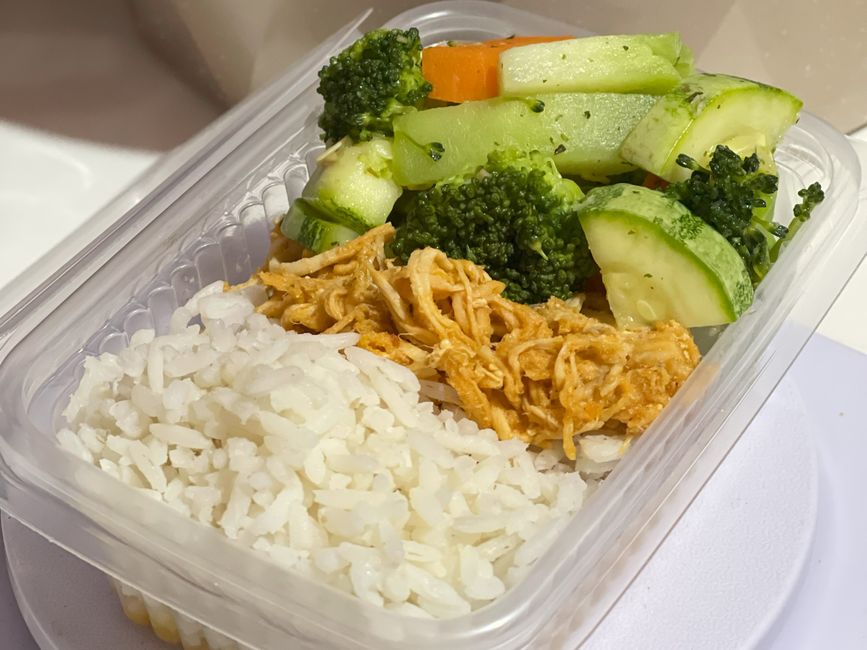
After physical activity, the body undergoes various processes that require nutrients for recovery. The period immediately following exercise is often discussed in relation to nutrient timing. Many individuals consider what to eat within a short window after a workout, commonly referred to as the post-exercise recovery period.
The specific composition of nutrients consumed during this time may influence how the body repairs muscle tissue and replenishes energy stores. Protein and carbohydrates are two macronutrients frequently highlighted in discussions about post-workout nutrition. Understanding their roles can help individuals make informed choices based on their own fitness routines and goals.
While the concept of a narrow 30-minute window has been popularized, research on its significance continues to evolve. Factors such as the type, intensity, and duration of exercise, as well as the timing of previous meals, all play a role in determining the optimal approach to refueling.
The Role of Protein in Muscle Repair
Physical activity, particularly resistance training, creates micro-tears in muscle fibers. The body uses amino acids from dietary protein to repair and rebuild these fibers, a process known as muscle protein synthesis. Consuming protein after exercise provides a source of these amino acids when the body may be most receptive to using them.
Different protein sources offer varying rates of digestion and amino acid profiles. Whey protein, for example, is rapidly absorbed, while casein provides a slower release. Foods such as Greek yogurt, cottage cheese, or lean meats can also serve as protein sources. The amount of protein needed can vary based on body weight and the intensity of the workout.
It is important to note that the overall daily protein intake often has a greater impact on muscle adaptation than the timing of a single post-workout meal. However, including protein in the post-exercise meal is a common practice among those aiming to support recovery.
Carbohydrates and Glycogen Replenishment
During exercise, muscles use stored glycogen as a primary fuel source. After a workout, especially one that is prolonged or high-intensity, glycogen stores become depleted. Consuming carbohydrates after exercise helps restore these glycogen levels, which is important for subsequent performance and recovery.
The type of carbohydrate can influence the rate of glycogen synthesis. Simple carbohydrates, such as those found in bananas or sports drinks, are absorbed quickly. Complex carbohydrates like whole grains or oats provide a more sustained release. The combination of carbohydrates with protein may further enhance glycogen storage and muscle repair.
For individuals who have multiple training sessions in a day, prioritizing carbohydrate intake after the first workout can help prepare the body for the next session. For those with longer recovery periods, total daily carbohydrate intake remains the primary factor.
Understanding the Anabolic Window Concept
The term “anabolic window” refers to a period after exercise when the body is thought to be more responsive to nutrient intake. Some research suggests that consuming protein and carbohydrates within 30 minutes to two hours after a workout can optimize muscle protein synthesis and glycogen replenishment.
However, the concept is not universally accepted among sports nutrition experts. The importance of this window may depend on factors such as whether the individual exercised in a fasted state, the timing of the last meal, and the overall daily nutrient distribution. For many people, consuming a balanced meal within a few hours after exercise is sufficient to support recovery.
Rather than focusing solely on the immediate post-workout period, it may be more practical to consider total nutrient intake over the course of the day. The anabolic window is one of several factors that contribute to recovery, but it is not a strict requirement for everyone.
Examples of Post-Workout Food Choices
A variety of foods and beverages can be part of a post-exercise nutrition plan. The choice often depends on convenience, personal preference, and dietary restrictions. Some common options include:
- Protein shakes made with whey or plant-based protein powders mixed with water or milk.
- Greek yogurt, which combines protein with some carbohydrates.
- Bananas, which provide easily digestible carbohydrates and potassium.
- A turkey or chicken sandwich on whole-grain bread, offering protein and complex carbs.
- Chocolate milk, which contains a balance of carbohydrates and protein.
- A fruit smoothie with protein powder or yogurt.
These examples illustrate how different combinations of protein and carbohydrates can be incorporated into a post-workout routine. The key is to select foods that align with individual digestion tolerances and nutritional goals.
Individual Variables and Customization
No single post-workout meal works for everyone. Factors such as body weight, exercise type, duration, intensity, and personal goals all influence the optimal nutrient composition. For example, an endurance athlete may require a higher proportion of carbohydrates, while someone focused on strength training might prioritize protein.
Digestion also plays a role. Some individuals may tolerate liquid meals better immediately after exercise, while others prefer solid foods. The timing of the last meal before exercise can affect how soon after a workout one needs to eat.
Rather than adhering to a rigid formula, it can be beneficial to experiment with different foods and timing to see what feels best for individual recovery. Paying attention to how the body responds can guide future choices. Consulting with a healthcare professional or a registered dietitian may provide personalized insights.