Simple Meal Prep Ideas to Fuel Your Week of Training
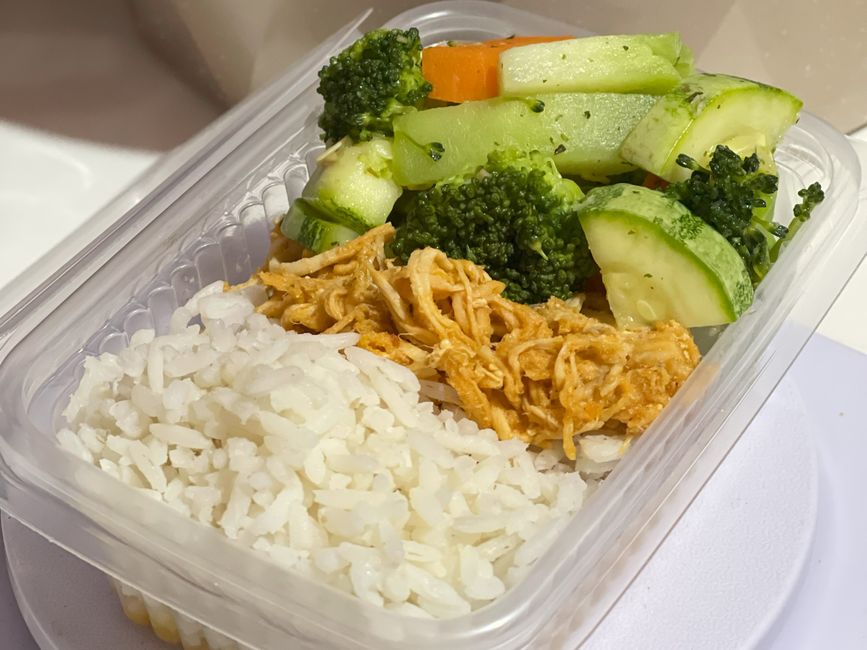
Planning meals ahead of time is a practical approach for individuals who train regularly and want to maintain consistent energy levels throughout the week. Meal preparation involves dedicating a few hours to cooking and portioning meals in advance, which can reduce daily decision-making and help support nutritional goals. Rather than focusing on strict rules or rigid plans, the idea is to create a system that fits individual preferences and schedules.
The following four meal prep ideas are designed to offer a balance of proteins, carbohydrates, and fats. Each recipe can be adapted to different taste preferences or dietary needs. The methods described are intended to provide a foundation that can be modified based on available ingredients or personal nutrition requirements. By preparing these items in batches, one can have ready-to-eat options that may support energy and recovery during a training week.
Planning Your Meal Prep Approach
Before starting any meal prep session, it can be helpful to consider the types of training and daily routines involved. Different activities may call for varying ratios of macronutrients. For example, days with higher intensity or longer duration might benefit from additional carbohydrates, while recovery-focused days may emphasize protein. A flexible approach allows for adjustments without overcomplicating the process.
Selecting recipes that share similar ingredients or cooking methods can streamline preparation time. For instance, roasting a large tray of vegetables while cooking grains on the stovetop uses the same heat source and reduces active cooking time. Similarly, choosing proteins that cook quickly, such as chicken breasts or tofu, can keep the overall session efficient. The goal is to reduce friction in the kitchen while still producing meals that are varied and satisfying.
Another aspect of planning involves storage containers. Using clear, portion-sized containers can help visualize meals and prevent overeating or under-eating. Labeling containers with the day and meal type can also simplify grabbing food during busy mornings or after training sessions. This organizational step is part of the process that contributes to a smoother week.
Overnight Oats with Protein and Berries
Overnight oats are a no-cook option that can be prepared in bulk for several mornings. This recipe combines rolled oats, milk or a plant-based alternative, Greek yogurt or a dairy-free substitute, and a scoop of protein powder. Mixing these ingredients in a large bowl or individual jars creates a base that thickens overnight in the refrigerator.
For a balanced macro profile, one can add chia seeds for fiber and healthy fats, along with a serving of mixed berries. Berries provide antioxidants and natural sweetness without added sugars. Portioning the oats into separate containers for each day ensures that the macros remain consistent. On the morning of consumption, simply stirring the mixture and optionally adding a splash of milk adjusts the consistency.
This recipe can be varied by using different fruits or adding nuts and seeds. The protein content can be adjusted by the type and amount of protein powder used. The preparation method remains the same: combine dry and wet ingredients, stir, and refrigerate. This approach allows for customization while keeping the prep time minimal.
Chicken and Roasted Vegetable Bowls
A classic option for lunch or dinner is a bowl with lean protein, roasted vegetables, and a whole grain. Chicken breast is a common choice because it cooks evenly and stores well. One method is to season chicken breasts with herbs, salt, and pepper, then bake them in the oven alongside chopped vegetables such as broccoli, bell peppers, and sweet potatoes.
Roasting at a moderate temperature around 400°F (200°C) for about 25 to 30 minutes allows the chicken to cook through while the vegetables caramelize. Meanwhile, a batch of quinoa, brown rice, or farro can be cooked on the stovetop. Once everything has cooled, each container can be assembled with a portion of grain, a serving of sliced chicken, and a generous amount of vegetables.
These bowls reheat well. For added moisture, a light dressing or a squeeze of lemon can be added before reheating. The protein and carbohydrate content can be adjusted by varying the amount of chicken and grains. This recipe provides a balanced meal that supports muscle repair and sustained energy.
Mason Jar Salads with Protein
Mason jar salads are a practical way to keep greens crisp for several days. The concept relies on layering ingredients that are less moisture-sensitive at the bottom to prevent the greens from becoming soggy. The typical order starts with dressing at the bottom, followed by hearty vegetables like cucumbers, cherry tomatoes, and carrots, then a source of protein such as grilled chicken, chickpeas, or hard-boiled eggs, and finally the greens on top.
Preparing several jars at once creates grab-and-go lunches. When ready to eat, simply shake the jar to distribute the dressing or pour the contents into a bowl. The separation of ingredients ensures that the greens remain fresh for up to four or five days. Adding nuts or seeds can provide healthy fats and crunch.
Protein choices can be rotated to prevent boredom. For example, one jar could have grilled chicken, another with canned tuna, and a third with roasted tofu. The dressing can be a simple vinaigrette made from olive oil, vinegar, and mustard, which stores well. This salad approach emphasizes convenience and portion control.
Egg and Vegetable Muffins
Egg muffins are a versatile protein-rich option for breakfast or a snack. They are made by whisking eggs with milk or a dairy alternative, then pouring the mixture into greased muffin tins filled with chopped vegetables, cooked meat, or cheese. Baking at 350°F (175°C) for about 15 to 20 minutes yields small, portable portions that can be refrigerated or frozen.
The vegetables can include spinach, bell peppers, onions, and mushrooms. For additional protein, one can add crumbled turkey sausage or diced ham. The combination can be varied each week. Once baked and cooled, the egg muffins can be stored in a container and reheated in a microwave or oven for a quick meal.
These muffins can be eaten on their own or paired with a piece of fruit or a slice of whole-grain toast for additional carbohydrates. The protein content supports muscle recovery, and the vegetables add micronutrients. Batch-cooking a dozen muffins provides several servings that are easy to grab during a busy training week.
Tips for Storing and Reheating Prepared Meals
Proper storage is a key part of meal prep that affects safety and quality. Most cooked meals can be stored in airtight containers in the refrigerator for three to four days. For longer storage, freezing portions can extend their shelf life. Meals like chicken and vegetable bowls, egg muffins, and overnight oats (without fresh berries) freeze well.
When reheating, using a microwave or oven on a moderate setting helps retain moisture. Adding a small amount of water or broth to rice or grain bowls can prevent them from drying out. It is also useful to allow meals to cool completely before sealing containers to reduce condensation and spoilage.
Labeling containers with the date and contents can help track freshness and reduce food waste. Planning the prep schedule around training days, such as preparing meals on Sunday for the upcoming week, is a common practice. Adjusting the quantities based on actual consumption patterns can make the process more efficient over time.